For years, Himalayan pink salt caves have been used for relaxation and health benefits. Now, wellness-focused businesses can build dedicated salt therapy rooms as a way to attract health-conscious clients and increase revenue.
But designing a salt cave can be tricky if you're not familiar with how aesthetic and mechanical elements should work together to create the best results. Here's what to know about creating a salt cave for your business and when to consult a design professional.
What Businesses Can Benefit From a Salt Cave?
Aside from providing a new avenue for existing customers to experience wellness, a salt cave can draw in new customers and allow businesses to offer new services. Salt caves can fit into many different types of business models, like:
- Longevity and wellness centers
- Medical and day spas
- Luxury resorts and hotels
- Fitness centers
- Massage and bodywork practices
- Yoga and meditation studios
- Athletic centers
- Holistic health practices
- Salons
Read more: Tips for Adding a Salt Cave to Your Spa Business
The Difference Between Salt Caves and Salt Rooms
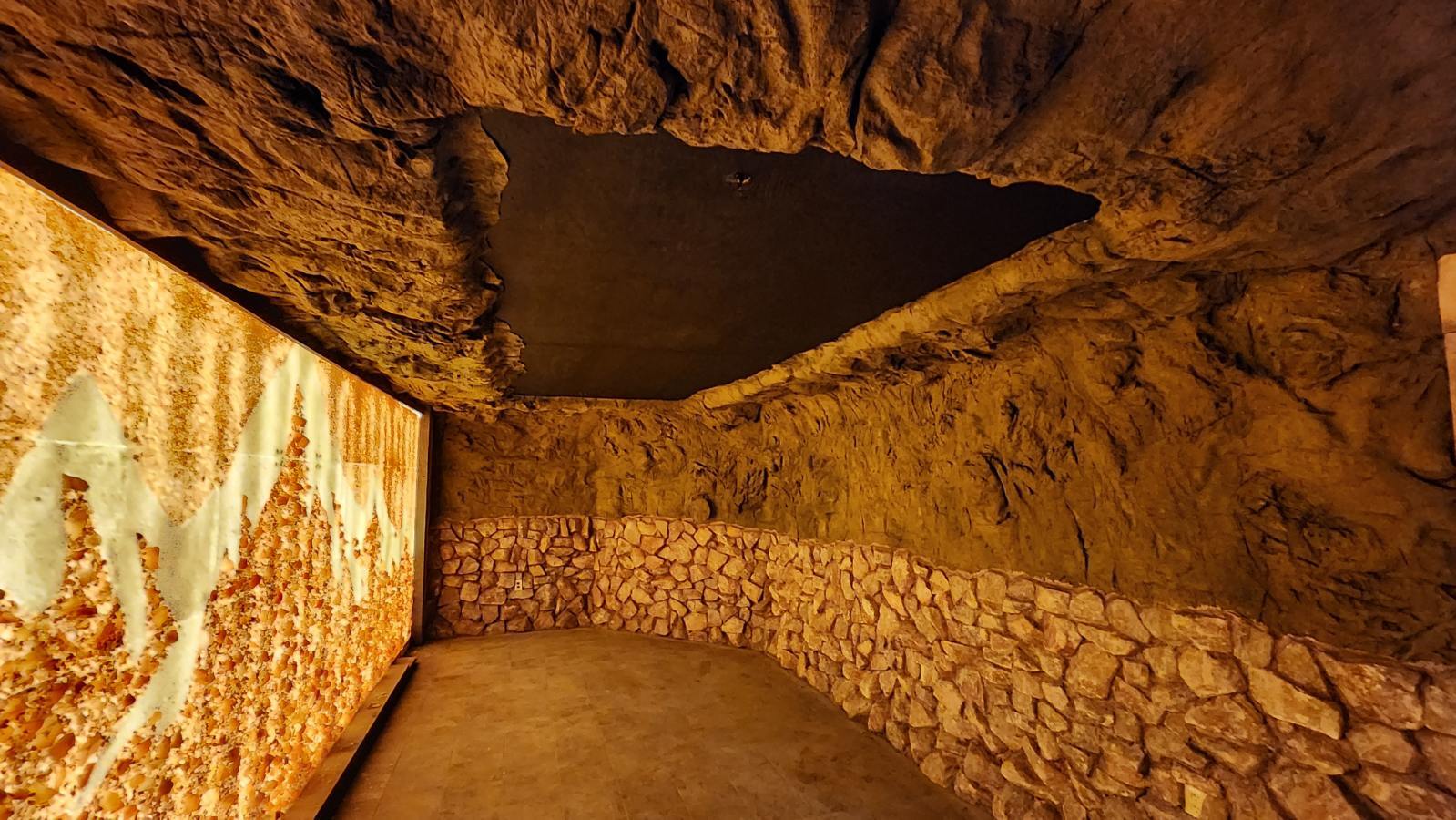
While the terms "salt room" and "salt cave" are often used interchangeably, the two concepts are actually quite different. Salt rooms typically have a cleaner and more organized appearance, while salt caves look more rustic and have an "underground" feel.
Both salt rooms and salt caves can be built in very small rooms, so they're a great option for businesses with limited square footage for a dedicated salt therapy area. If you want an organic, unpolished atmosphere that is most similar to ancient natural salt mines, a salt cave is the way to go.
Salt Cave Features
A well-designed salt cave combines several kinds of Himalayan salt instead of having just one salt feature. Mixing and layering structured elements like bricks with more natural materials like boulders and floor salt will create greater depth, texture, and visual interest throughout the room. Here's how to use each element:
Himalayan Salt Bricks
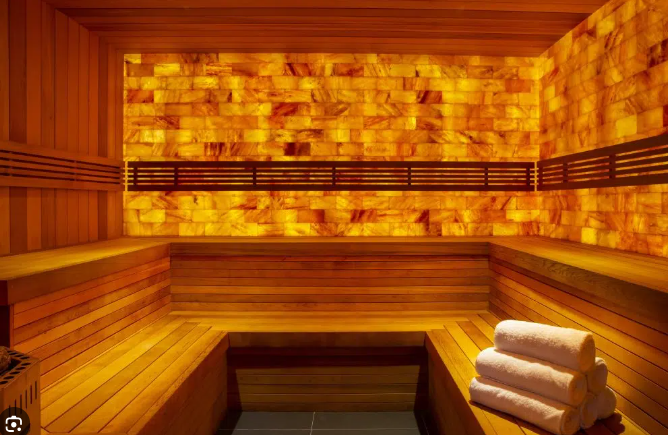
Pink Himalayan salt bricks are non-structural and function similarly to tiles. Each one is the same size and shape, so you can use them to build walls and other uniform structures. In a salt cave, they can be used as a backdrop for salt boulders, floor salt, and other elements. Salt bricks also come in white to match a wide variety of spa aesthetics.
Himalayan Salt Panels
Himalayan salt panels can also be used for walls, but these are made with different sizes of rough salt rocks and pieces. This creates a more textured appearance than smooth bricks and are a great option if you want your cave to have a raw or unfinished appearance. They're also modular and easy to install, remove, and rearrange.
Himalayan Salt Boulders
Himalayan salt boulders are pink salt rocks that are medium to large in size. They can be used in several different ways and have a rugged appearance that's perfect for a cave-style salt room design. For instance, boulders can be stacked from largest to smallest to make pyramids in between chairs or layered along the bottom of your focal wall to create contrast.
Himalayan Floor Salt
Himalayan floor salt (link to new floor salt blog) is exactly what it sounds like: loose, granulated pink salt particles that are spread across the floor like sand. Using floor salt helps carry the salt design throughout the room and creates a more immersive-feeling environment. It also gives clients a direct connection with salt particles, which helps to boost potential health benefits.
Read more: How Much Does it Cost to Build a Salt Cave?
What Not to Do When Building a Salt Cave
A salt cave should work as both a visually appealing wellness space and a functional halotherapy environment. This means you have to take into account other aspects of the space, like airflow and ongoing maintenance needs. Avoid these mistakes during the design stage:
Avoid Salt-Sensitive Materials
Having a salt ceiling gives your room a more cave-like feel, but it’s important to make sure you’re not using any materials in the room that can easily degrade, rust, or dissolve when exposed to salt.
Don’t Have a Salt Floor Without a Retaining Dam
Loose Himalayan floor salt can sometimes create practical problems if there’s not a clean entrance area with a retaining dam to keep the salt away from the entryway. This is standard for a salt floor and contains the salt within the designated space.
Don't Plan Lighting After the Design
Lighting is one of the most important elements of a Himalayan pink salt cave. Be sure to think about how your salt features will be lit and what you want your lighting to accomplish early on in the design phase. If lighting is an afterthought, this can limit where you put fixtures and may prevent your cave from having the look and feel you want.
Need Help Designing Your Salt Cave?
Creating a salt cave is an involved process that requires more than deciding where to put different salt decor elements. Other aspects to take into consideration are airflow, halogenerator placement and HVAC. Since mistakes made during the design phase can be expensive to fix later, working with a professional salt cave design consultant can make sure your room meets the needs of your business from the start.
At SALT Chamber, we offer comprehensive design services with varying levels of support that fits the complexity and scope of unique projects. If you're ready to turn your available space into an immersive Himalayan pink salt cave, contact us at (561) 556-3322.