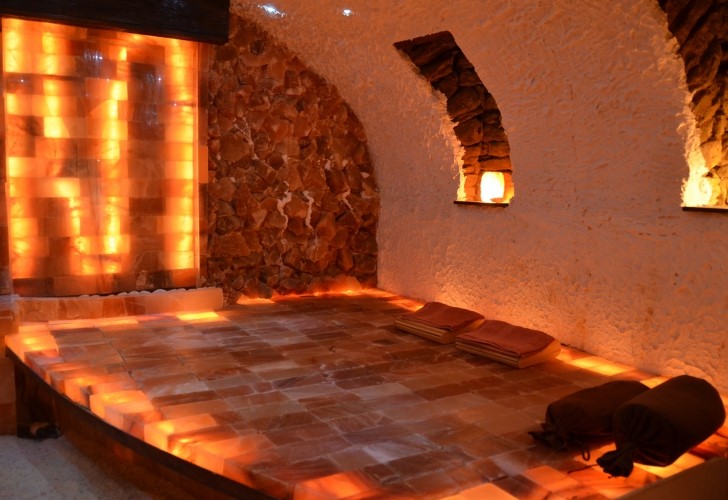
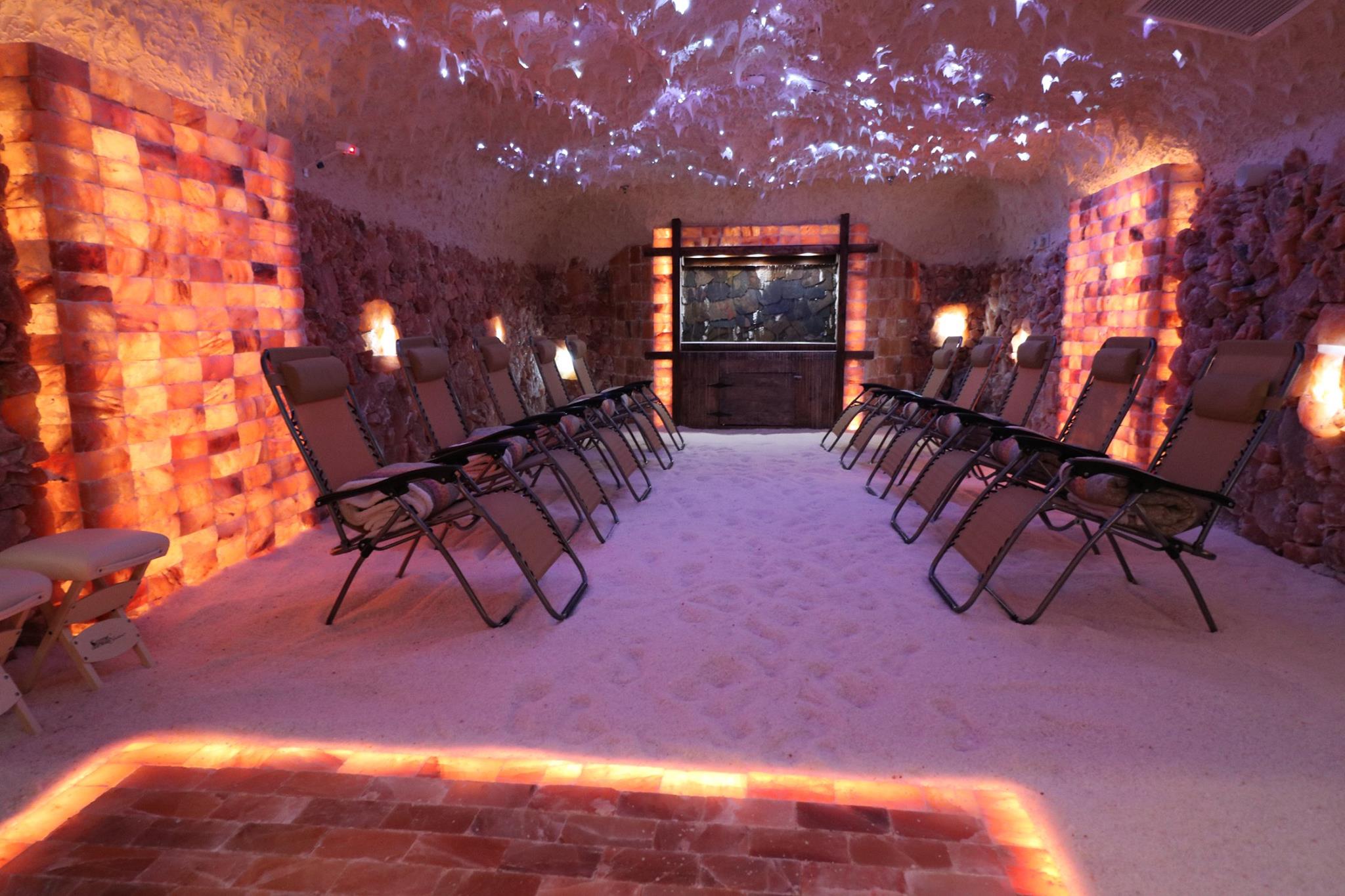
Choosing between salt brick vs salt panels for a salt therapy room comes down to budget, installation requirements, design goals, and future flexibility. Salt bricks and salt tiles deliver a traditional, handcrafted salt room aesthetic, while salt panels offer a faster installation process, reduced labor complexity, and a customizable textured salt wall solution.
For spa owners, wellness centers, healthcare facilities, architects, designers, and entrepreneurs planning a salt room, salt cave, or halotherapy space, choosing the right salt room materials goes beyond comparing upfront prices. The lowest material cost does not always create the lowest overall project cost. Installation labor, lighting, backing materials, fastening methods, maintenance requirements, and future expansion plans all influence the long-term investment.
At Salt Chamber®, we use Himalayan salt décor to enhance the guest experience while also making a clear distinction between salt room aesthetics and salt therapy functionality. Salt walls, bricks, tiles, and panels create the visual environment, but a halogenerator is the equipment responsible for dispersing dry salt aerosol during a salt therapy or halotherapy session. Without a halogenerator, a room may provide a beautiful salt-inspired atmosphere, but it is not functioning as an active halotherapy environment.
Are salt bricks or salt panels better for a salt room? The answer depends on your design goals, installation timeline, and long-term flexibility. Salt bricks and salt tiles are best for creating a smooth, architectural, traditional salt room wall. Salt panels are ideal for faster installations, textured salt décor designs, and projects where future customization or flexibility is important.
Himalayan salt bricks, also called salt tiles, are natural rectangular blocks made from pink or white Himalayan salt. They are sold by the square foot, available in several sizes. The most common size is 8 inches wide, 4 inches high, and 1 inch thick.
Salt bricks create a clean, structured appearance and work well for traditional brick bond patterns, backlit feature walls, reception areas, meditation rooms, and commercial wellness spaces where the salt wall should feel refined and handcrafted rather than rugged.
Salt panels create a more textured, dimensional surface. Salt Chamber’s custom Himalayan salt panels are prefabricated with natural Himalayan salt rock in a variety of rock sizes and colors. They can be designed for continuous sculptural walls, custom patterns, logos, unique shapes, and other architectural applications.
The best choice is about more than appearance. A spa, wellness center, or commercial project with a shorter construction timeline may benefit from salt panels because of their streamlined installation process. A resort, medspa, or wellness facility looking for a smooth wall with traditional salt cave character may prefer salt bricks or salt tiles.
Himalayan salt bricks and tiles are a popular choice for projects that want a smooth, architectural salt wall with a traditional natural salt appearance. Their biggest advantages are design flexibility, pattern control, and a refined finished look. Their main drawback is that they typically require more installation planning and labor compared to prefabricated salt panel solutions.
Himalayan salt bricks and salt tiles can be used for a wide range of applications, including salt room walls, decorative facades, artistic installations, backlit feature walls, and select flooring or paver-style designs. Their smooth surface with a subtle natural texture creates a polished yet organic appearance. While rough-hewn textures are available, the standard brick and tile finish provides a cleaner, more structured look than a rock-panel salt wall.
One of the biggest design advantages of salt bricks and tiles is pattern control. Because each piece is installed individually, designers can create traditional brick patterns, geometric layouts, and custom feature walls. This makes them especially appealing for hotels, spas, and wellness centers that want a premium salt aesthetic without creating an overly rustic cave-like environment.
From a material cost perspective, salt bricks can be an economical way to create a large salt wall. Himalayan salt bricks typically range from $42 to $50 per square foot before shipping. However, the total project investment also includes installation materials, labor, layout & size planning, backing requirements, and lighting coordination.
The main consideration with salt brick installation is preparation. Bricks and tiles must be installed on properly prepared, completely dry surfaces and should not be placed in high-humidity areas such as steam rooms or showers. Proper planning is essential to ensure the salt wall performs and maintains its appearance over time.
For projects that require a complete installation solution, Salt Chamber’s installation kits can include Himalayan salt décor, eco-friendly adhesive, LED lighting, custom acrylic spacers, shop drawings, and other job-specific materials to simplify the process.
Salt panels are ideal for creating a textured, natural salt wall with a streamlined installation process. Their biggest advantages are installation efficiency, design flexibility, and a more organic salt cave aesthetic. Their primary drawback is that the upfront material cost may be higher than salt bricks or tiles when comparing only the price of the materials themselves.
Our handcrafted Himalayan salt panels are priced at $115 per panel before shipping. While the initial material investment may appear higher than individual salt bricks, the overall project cost can be different when installation time, labor, and project size & complexity are considered.
Because salt panels are prefabricated, durable, and designed for flexible installation, they can simplify the construction process compared to installing hundreds of individual salt bricks or tiles. Panels can also be cut and shaped to accommodate unique designs, architectural features, and custom applications.
Another major advantage of salt panels is their visual impact. Unlike the structured appearance of traditional salt bricks, panels create a textured, dimensional surface with varied Himalayan salt rock sizes, natural color variation, and a more sculptural appearance. This makes them a strong option for clients who want the feeling of a natural salt cave without the labor requirements of a fully handcrafted cave-style build.
Salt panels also provide long-term flexibility. Depending on the mounting method used, panels may be easier to modify, relocate, or incorporate into future renovations. This can be especially valuable for growing businesses such as medspas, recovery studios, and wellness centers that may expand, redesign, or move locations over time.
The best choice depends on the project goals. Salt panels are often the better fit for businesses prioritizing faster installation, custom design options, and long-term flexibility, while salt bricks and tiles may be preferred for projects seeking a smooth, traditional salt wall appearance.
One of the biggest advantages of salt panels is the ability to create highly customized salt wall designs. Unlike individual salt bricks, which are typically arranged in structured patterns, salt panels can be shaped, combined, and designed to create one-of-a-kind architectural features.
Custom Himalayan salt panels can incorporate different salt rock sizes, natural color variations, unique patterns, logos, geometric designs, and sculptural elements to match the vision of the space. This makes them an ideal choice for luxury spas, resorts, wellness centers, recovery studios, and branded environments looking to create a memorable guest experience.
Whether the goal is a full salt cave atmosphere, a modern backlit salt feature wall, a branded reception installation, or a custom wellness room design, salt panels provide more creative flexibility than traditional brick-and-tile applications.

Salt bricks usually cost less per square foot in raw materials, but salt panels can cost less overall when reduced labor, fewer supporting materials, easier installation, and future mobility matter. The right budget comparison is installed cost, not product price alone.
For raw materials, our Himalayan salt bricks range from $42 to $50 per square foot. Handcrafted Himalayan salt panels are $115 each. Shipping is not included in the listed pricing.
That does not mean bricks always win on budget. A brick wall can require more layout time, more individual placement, drying rules, adhesive planning, lighting coordination, and sometimes acrylic spacers or other job-specific materials. Panels may carry a higher unit price, but their prefabricated format can simplify the build.
The most budget-conscious choice is often a hybrid. Use bricks or salt tiles where the guest sees the wall up close, then use panels for a larger textured feature wall or a brand moment behind seating. That keeps the salt room visually rich without forcing every surface into the most labor-intensive finish.
Salt panels are usually easier to install and move later because they are prefabricated and can be taken down or rearranged. Salt bricks are more traditional and versatile, but they require more care around dryness, adhesive, cutting, and layout.
For bricks, installation techniques and materials vary by application, and Salt Chamber provides installation material specs and cutsheets for the project. Bricks can be cut to size on a tile saw, but they must be dried soon after cutting. Bricks being adhered to surfaces must also be completely dry before adhesive is applied.
That makes salt bricks manageable for the right contractor, but not casual. If the room has humidity concerns, nearby plumbing, or a complex lighting plan, those conditions should be addressed before the wall design is finalized.
Panels reduce some of that complexity because they arrive as larger prefabricated design elements. They can be cut and shaped, used for continuous sculptural walls, and mounted in multiple ways.
Maintenance also depends on how the space will be used. A salt room used only for dry salt therapy should be planned differently than a wet spa area. Salt decor should stay dry, and salt bricks should be stored in a climate-controlled, dry, cool place away from moisture and direct sunlight before installation.
For a business that may expand, panels have a clear planning advantage. If you grow into a larger suite or move locations, removable panels give you more options than a more fixed brick wall.
Choose salt bricks when your design calls for a smooth, classic, architectural salt wall. Choose salt panels when your project prioritizes textured natural salt décor, a streamlined installation process, and the flexibility to reconfigure or relocate the wall in the future.
A luxury hotel, resort, or day spa may prefer salt bricks because they create a refined, handcrafted appearance that pairs beautifully with warm backlighting. The finished wall feels calm, orderly, and premium while maintaining the natural beauty of Himalayan salt.
A wellness center, recovery studio, or salt therapy business may prefer salt panels because they create dramatic visual impact with a more organic, sculptural appearance. Their prefabricated design also offers greater flexibility than building a traditional salt cave entirely from individual salt bricks.
Many commercial projects combine both materials. Salt bricks can provide clean architectural surfaces, while salt panels, salt rocks, and salt boulders add texture and depth to feature walls, salt caves, reception areas, and other focal points throughout the space.
Ultimately, the best choice comes down to three questions:
Answering these questions will help determine whether salt bricks, salt panels, or a combination of both is the right fit for your project. To compare finished designs and discuss the best solution for your space, explore our Himalayan salt panels or contact the Salt Chamber® team for expert guidance.
Salt bricks and salt tiles are often used as alternate wording for rectangular Himalayan salt blocks used in wall, floor, lighting, and decorative applications. Our Himalayan salt bricks are available in a range of sizes, with the most used size listed as 8 inches wide, 4 inches high, and 1 inch thick.
Salt panels cost more at the raw product level in our current price guide, with hand-crafted Himalayan salt panels listed at $115 each and Himalayan salt bricks listed at $42 to $50 per square foot. The installed cost may still favor panels if they reduce labor, materials, and future relocation costs.
Salt panels are usually better for a modular salt room because they can be taken down, rearranged, or moved to another location. That makes them useful for businesses that expect to expand, relocate, or refresh the room design.
Salt decor alone does not provide halotherapy. According to the Salt Therapy Association guidance in our buyer’s guide, dry salt therapy requires a halogenerator to disperse dry salt into the salt room or booth.
Salt panels usually create a more natural cave-like look because they use varied rock sizes, colors, and textured surfaces. Salt bricks and salt tiles create a smoother, more structured salt room wall, especially when the design uses a brick bond pattern.
Choosing between salt brick vs. salt panels is about more than selecting a building material. It's a design decision that influences your project's budget, installation timeline, long-term flexibility, brand identity, and the experience guests have when they enter your salt room.
Planning your salt room layout, material selection, lighting, and installation strategy before construction begins can help reduce costly changes and ensure the finished space meets both your aesthetic and operational goals.
Whether you're designing a luxury spa, wellness center, recovery studio, resort, or commercial salt therapy space, the right combination of Himalayan salt materials can create a memorable environment while supporting an efficient, successful build.
Schedule a personalized salt room consultation with the Salt Chamber® team to review your layout, discuss material options, and find the best solution for your space.

Leo Tonkin, with a decade of deep expertise in salt therapy, initiated SALT Chamber, a leading entity in the domain of salt therapy products and decor. As the inaugural Chairman of the Salt Therapy Association and Chair of the Respiratory Wellness Initiative from the Global Wellness Institute, he has played a pivotal role in broadening the accessibility and recognition of salt therapy globally. His commitment to developing advanced technology and educating the public on the benefits of salt therapy has solidified his position as a key figure in the industry, enhancing its credibility and trustworthiness.